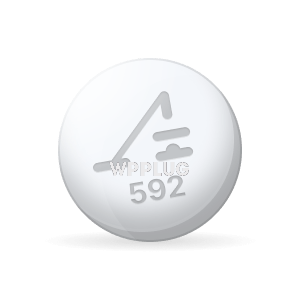
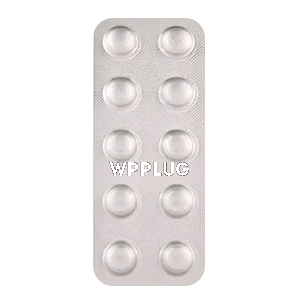
| Product dosage: 2mg | |||
|---|---|---|---|
| Package (num) | Per pill | Price | Buy |
| 10 | $3.44 | $34.40 (0%) | 🛒 Add to cart |
| 20 | $2.15 | $68.80 $43.00 (38%) | 🛒 Add to cart |
| 30 | $1.72 | $103.20 $51.60 (50%) | 🛒 Add to cart |
| 60 | $1.15 | $206.40 $68.80 (67%) | 🛒 Add to cart |
| 90 | $1.05 | $309.60 $94.60 (69%) | 🛒 Add to cart |
| 120 | $1.00 | $412.80 $120.40 (71%) | 🛒 Add to cart |
| 180 | $0.76 | $619.20 $137.60 (78%) | 🛒 Add to cart |
| 270 | $0.70 | $928.80 $189.20 (80%) | 🛒 Add to cart |
| 360 | $0.68
Best per pill | $1238.40 $245.10 (80%) | 🛒 Add to cart |
Synonyms | |||
Similar products
Zanaflex: Targeted Muscle Spasm Relief with Tizanidine
Zanaflex (tizanidine hydrochloride) is a short-acting muscle relaxant indicated for the management of spasticity. It functions as a central alpha-2-adrenergic agonist, effectively reducing muscle tone and frequency of spasms without directly acting on the neuromuscular junction. This medication is commonly prescribed for conditions such as multiple sclerosis, spinal cord injury, and other neurological disorders causing increased muscle tone. Proper use under medical supervision can significantly improve mobility and reduce discomfort associated with muscle spasticity.
Features
- Active ingredient: Tizanidine hydrochloride
- Available in 2 mg and 4 mg tablet strengths
- Also offered in capsule form for altered absorption profiles
- Short half-life (approximately 2.5 hours)
- Rapid onset of action (within 1-2 hours post-administration)
- Metabolized primarily in the liver via cytochrome P450 1A2
Benefits
- Reduces painful muscle spasms and clonus
- Improves range of motion and voluntary movement
- Decreases resistance to passive movement
- May enhance ability to perform daily activities
- Can be used as needed due to short duration of action
- Available in generic formulations for cost-effectiveness
Common use
Zanaflex is primarily prescribed for the management of spasticity resulting from multiple sclerosis, spinal cord injuries, and other neurological conditions. It is particularly effective in addressing the increased muscle tone that interferes with voluntary movement and causes discomfort. Clinicians may also prescribe it off-label for certain types of chronic headaches, musculoskeletal pain, and as an adjunct in pain management protocols. The medication is typically used as part of a comprehensive treatment plan that may include physical therapy and other interventions.
Dosage and direction
The initial recommended dose is 2 mg, which may be increased gradually in 2-4 mg increments at intervals of 1-4 days. The effective dose typically ranges between 6-24 mg daily, divided into three or four doses. Maximum single doses should not exceed 8 mg, and total daily dosage should generally not surpass 36 mg. Tablets should be taken with water, with or without food, though consistency in administration relative to meals is recommended due to food’s effect on absorption. Capsule formulation should be taken consistently either with or without food.
Precautions
Patients should be cautioned about the potential for sedation and advised to avoid operating machinery or driving until they understand how Zanaflex affects them. Blood pressure monitoring is recommended, particularly during dose titration, as hypotension may occur. Liver function tests should be performed regularly during treatment due to potential hepatotoxicity. Abrupt discontinuation should be avoided as rebound hypertension and tachycardia may occur. Use with caution in elderly patients and those with renal impairment.
Contraindications
Zanaflex is contraindicated in patients with known hypersensitivity to tizanidine or any component of the formulation. Concurrent use with potent CYP1A2 inhibitors such as fluvoxamine or ciprofloxacin is contraindicated due to significantly increased tizanidine exposure. Should not be administered with other alpha-2 adrenergic agonists. Not recommended for use during pregnancy unless potential benefits outweigh risks.
Possible side effects
Common adverse reactions include dry mouth (49%), somnolence (48%), asthenia (41%), dizziness (16%), and hypotension (4%). Less frequent side effects may include hallucinations, elevated liver enzymes, visual disturbances, and bradycardia. Most side effects are dose-dependent and may diminish with continued therapy or dose adjustment. Serious side effects requiring immediate medical attention include hepatotoxicity, severe hypotension, and syncope.
Drug interaction
Zanaflex has numerous significant drug interactions. Concomitant use with CYP1A2 inhibitors (fluvoxamine, ciprofloxacin) dramatically increases tizanidine concentrations. Enhanced hypotensive effects may occur with other antihypertensives. Additive sedative effects are likely with CNS depressants including alcohol, benzodiazepines, and opioids. Oral contraceptives may reduce tizanidine clearance. Acetaminophen may delay tizanidine absorption. Always provide complete medication history to prescribing physician.
Missed dose
If a dose is missed, it should be taken as soon as remembered unless it is nearly time for the next scheduled dose. In that case, skip the missed dose and resume the regular dosing schedule. Do not double doses to make up for a missed dose. Patients should maintain consistent dosing intervals to maintain stable therapeutic effects and minimize side effects.
Overdose
Symptoms of overdose may include severe dizziness, somnolence, vomiting, hypotension, bradycardia, and respiratory depression. In severe cases, coma may occur. Management is supportive and symptomatic, including gastric lavage if presented early, activated charcoal, and careful monitoring of cardiovascular and respiratory function. There is no specific antidote. Hemodialysis is not effective due to high protein binding.
Storage
Store at room temperature (20-25°C or 68-77°F) in a tightly closed container. Protect from light and moisture. Keep out of reach of children and pets. Do not store in bathroom cabinets where humidity may affect stability. Properly discard any expired or unused medication through medication take-back programs.
Disclaimer
This information is for educational purposes only and does not constitute medical advice. Always consult with a qualified healthcare professional before starting, changing, or discontinuing any medication. Individual response to medication may vary. Proper diagnosis and treatment should be determined by a licensed physician familiar with the patient’s complete medical history.
Reviews
Clinical studies demonstrate Zanaflex’s efficacy in reducing muscle tone and spasms, with many patients reporting improved quality of life. Patients frequently note significant relief from spasticity-related pain and improved mobility. However, many report sedation as a limiting factor in dosage optimization. Physicians appreciate the rapid onset but note the need for careful dose titration and monitoring of liver function. The short half-life allows for flexible dosing but requires multiple daily administrations for continuous effect.