Spiriva: Long-Term COPD and Asthma Control Medication
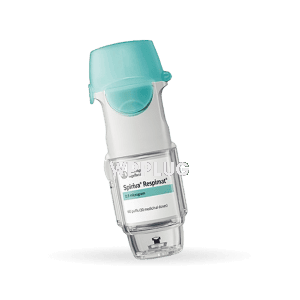
| Product dosage: 18 mcg | |||
|---|---|---|---|
| Package (num) | Per cap | Price | Buy |
| 30 | $2.58 | $77.40 (0%) | 🛒 Add to cart |
| 60 | $2.06 | $154.80 $123.84 (20%) | 🛒 Add to cart |
| 120 | $1.87 | $309.60 $224.46 (28%) | 🛒 Add to cart |
| 180 | $1.82 | $464.40 $327.66 (29%) | 🛒 Add to cart |
| 270 | $1.50
Best per cap | $696.60 $404.20 (42%) | 🛒 Add to cart |
Synonyms | |||
Spiriva (tiotropium bromide) is a long-acting muscarinic antagonist (LAMA) inhaler prescribed for the maintenance treatment of bronchospasm associated with chronic obstructive pulmonary disease (COPD), including chronic bronchitis and emphysema, and as an add-on maintenance treatment of asthma in adults. It functions as a bronchodilator by relaxing muscles around the airways, helping to keep them open and making breathing easier. This medication is not indicated for the immediate relief of acute bronchospasm and is intended for once-daily use to provide consistent, 24-hour symptom control. Clinical evidence supports its role in reducing exacerbations and improving lung function and quality of life in patients with obstructive airway diseases.
Features
- Active ingredient: Tiotropium bromide
- Delivery system: Breath-activated, dry powder inhaler (HandiHaler or Respimat soft mist inhaler)
- Mechanism: Long-acting muscarinic antagonist (LAMA)
- Dosing frequency: Once daily
- Available strengths: 1.25 mcg/actuation (Respimat), 18 mcg/capsule (HandiHaler)
- Prescription status: Rx-only
Benefits
- Provides sustained 24-hour bronchodilation, reducing daily symptoms like shortness of breath, wheezing, and coughing.
- Lowers the frequency of COPD exacerbations, which can reduce hospitalizations and improve long-term prognosis.
- Enhances exercise tolerance and overall quality of life by maintaining open airways throughout the day and night.
- Simple once-daily dosing regimen supports adherence compared to multiple daily dosing schedules.
- Can be used concomitantly with other maintenance inhalers, such as inhaled corticosteroids or long-acting beta agonists (LABAs), for additive bronchodilator effects.
Common use
Spiriva is commonly prescribed for the long-term, maintenance treatment of airflow obstruction in patients with chronic obstructive pulmonary disease (COPD). It is also indicated as an add-on maintenance treatment for asthma in adults who are not adequately controlled on inhaled corticosteroids. It is not intended for rescue use during acute episodes of bronchospasm.
Dosage and direction
The recommended dosage for Spiriva HandiHaler is the inhalation of the contents of one 18 mcg capsule once daily, using the HandiHaler device. For Spiriva Respimat, the usual dose is two puffs (2.5 mcg each) once daily, totaling 5 mcg. It should be taken at the same time each day. Patients must be instructed on proper inhaler technique to ensure effective delivery to the lungs. The capsule should not be swallowed, and the Respimat cartridge should be primed before first use. Do not exceed the prescribed dose.
Precautions
- Not for use as a rescue medication; always have a short-acting bronchodilator available for acute symptoms.
- Use with caution in patients with narrow-angle glaucoma, urinary retention, or renal impairment; periodic monitoring may be required.
- Immediate hypersensitivity reactions, including angioedema, may occur; discontinue and seek medical attention if symptoms arise.
- Be aware of paradoxical bronchospasm; if it occurs, discontinue use immediately and institute alternative therapy.
- Patients with severe lactose intolerance (HandiHaler formulation contains lactose) should use caution.
Contraindications
Spiriva is contraindicated in patients with a history of hypersensitivity to tiotropium, ipratropium, or any component of the formulation. It should not be used in individuals with a known allergy to atropine or its derivatives.
Possible side effect
Common side effects may include dry mouth, sinusitis, pharyngitis, and constipation. Less frequently, urinary retention, blurred vision (accommodation disorder), glaucoma, tachycardia, and cough have been reported. Serious but rare side effects include paradoxical bronchospasm, angioedema, and severe allergic reactions.
Drug interaction
No clinically significant pharmacokinetic drug interactions have been observed. However, concomitant use with other anticholinergic-containing drugs (e.g., ipratropium, aclidinium) may potentiate anticholinergic adverse effects and is not recommended. Use caution with drugs that also prolong the QT interval.
Missed dose
If a dose is missed, it should be taken as soon as remembered on the same day. However, if it is nearly time for the next dose, skip the missed dose and resume the regular dosing schedule. Do not double the dose to make up for a missed one.
Overdose
Overdose may lead to anticholinergic effects such as dry mouth, visual disturbances, tachycardia, urinary retention, and constipation. Severe overdose could result in delirium, psychosis, or arrhythmias. Treatment is supportive and symptomatic; there is no specific antidote.
Storage
Store at room temperature (15–30°C or 59–86°F) in a dry place. Keep capsules in the blister pack until immediately before use. Protect from moisture and light. For Spiriva Respimat, keep the cartridge in the inhaler and do not freeze. Keep out of reach of children and pets.
Disclaimer
This information is for educational purposes only and is not a substitute for professional medical advice, diagnosis, or treatment. Always seek the advice of your physician or other qualified health provider with any questions you may have regarding a medical condition or medication. Do not disregard professional medical advice or delay in seeking it because of something you have read here.
Reviews
Clinical trials and real-world evidence consistently demonstrate Spiriva’s efficacy in improving lung function (FEV₁), reducing exacerbation rates, and enhancing quality of life in COPD patients. In asthma, it has shown benefit as an add-on therapy in patients uncontrolled on ICS. Dry mouth is the most frequently reported adverse effect but is often mild. Adherence is generally high due to the once-daily regimen. Healthcare providers emphasize the importance of proper inhaler technique for optimal outcomes.