Movfor: Advanced Antiviral Treatment for Influenza and Beyond
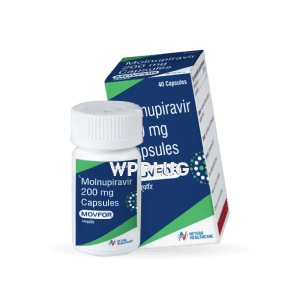
| Product dosage: 200mg | |||
|---|---|---|---|
| Package (num) | Per cap | Price | Buy |
| 40 | $6.30 | $251.98 $251.98 (0%) | 🛒 Add to cart |
| 80 | $5.31 | $503.96 $424.84 (16%) | 🛒 Add to cart |
| 120 | $4.98 | $755.94 $597.70 (21%) | 🛒 Add to cart |
| 160 | $4.82 | $1007.92 $770.56 (24%) | 🛒 Add to cart |
| 200 | $4.72
Best per cap | $1259.90 $943.42 (25%) | 🛒 Add to cart |
Synonyms | |||
Movfor represents a significant advancement in antiviral therapy, offering a robust defense mechanism against influenza viruses and other susceptible pathogens. Developed with precision molecular targeting, this prescription medication inhibits viral replication effectively, reducing symptom duration and severity when administered promptly. Its broad-spectrum activity and favorable pharmacokinetic profile make it a cornerstone in both treatment and prophylaxis protocols. Healthcare professionals increasingly rely on Movfor for its consistent efficacy and well-characterized safety parameters in appropriate patient populations.
Features
- Contains the active pharmaceutical ingredient favipiravir, a selective RNA-dependent RNA polymerase inhibitor
- Available in 200 mg film-coated tablets for precise dosing
- Demonstrated in vitro activity against influenza A, B, and C viruses
- Shows potential antiviral effects against other RNA viruses in investigational settings
- Bioavailability of approximately 97% with rapid absorption following oral administration
- Mean elimination half-life of 5-6 hours in healthy adult populations
- Manufactured under cGMP conditions with rigorous quality control protocols
- Packaged in moisture-resistant blister packs to ensure stability
Benefits
- Reduces influenza symptom duration by approximately 1-2 days when initiated within 48 hours of symptom onset
- Decreases viral shedding, potentially limiting transmission to close contacts
- May prevent progression to severe respiratory complications in high-risk populations
- Offers convenient oral administration compared to intravenous alternatives
- Provides a treatment option for strains potentially resistant to neuraminidase inhibitors
- Supports public health efforts during seasonal influenza outbreaks and potential pandemics
Common use
Movfor is primarily indicated for the treatment of uncomplicated influenza in adults and adolescents who have been symptomatic for no more than 48 hours. It is particularly valuable for patients at high risk of influenza complications, including those with chronic respiratory, cardiovascular, or metabolic disorders, immunocompromised individuals, and adults over 65 years of age. Some healthcare providers may consider its use in post-exposure prophylaxis in specific institutional settings during confirmed outbreaks. Off-label applications continue to be investigated in clinical trials for other viral infections, though such uses require careful risk-benefit assessment and should only be undertaken by specialists familiar with the emerging evidence.
Dosage and direction
The standard treatment regimen consists of 1600 mg administered twice daily on day 1, followed by 600 mg twice daily on days 2 through 5. Tablets should be swallowed whole with water, with or without food, though administration with food may minimize potential gastrointestinal discomfort. For patients with renal impairment (creatinine clearance 30-50 mL/min), the maintenance dose should be reduced to 600 mg once daily after the initial loading dose. Those with severe renal impairment (creatinine clearance <30 mL/min) or end-stage renal disease require careful monitoring and dose adjustment under specialist supervision. Hepatic impairment does not significantly affect pharmacokinetics, though caution is advised in severe liver dysfunction. Treatment should be initiated as soon as possible after symptom onset, ideally within 48 hours, to maximize therapeutic benefit.
Precautions
Patients should be advised that Movfor may cause dizziness or lightheadedness, potentially affecting the ability to drive or operate machinery. Adequate hydration should be maintained throughout treatment to support renal clearance. Women of childbearing potential must use effective contraception during and for at least one week following treatment completion due to potential teratogenic effects. Healthcare providers should monitor for signs of hyperuricemia, as favipiravir may increase serum uric acid levels. Patients with gout or hyperuricemia require baseline assessment and periodic monitoring of uric acid levels. Those with history of psychiatric disorders should be monitored for behavioral changes, though such events are rare. Laboratory parameters including complete blood count, renal function, and liver enzymes should be assessed before and during prolonged therapy.
Contraindications
Movfor is contraindicated in pregnant women and women who may become pregnant during treatment, based on animal studies demonstrating fetal abnormalities. It must not be administered to patients with known hypersensitivity to favipiravir or any excipients in the formulation. The medication is contraindicated in patients with severe renal impairment (creatinine clearance <30 mL/min) not undergoing hemodialysis, unless potential benefits outweigh risks under close supervision. Concomitant administration with drugs that strongly inhibit aldehyde oxidase should be avoided due to potential significant increases in favipiravir exposure. Pediatric use below 12 years of age is not recommended due to insufficient safety and efficacy data.
Possible side effects
The most frequently reported adverse reactions include transient elevations in serum uric acid (14-16% of patients), diarrhea (4-6%), and nausea (3-5%). Less common effects comprise vomiting, abdominal discomfort, decreased neutrophil count, and elevated liver transaminases. Rare but potentially serious adverse events include acute gout attacks, psychiatric symptoms such as abnormal behavior or hallucinations, and severe skin reactions. Most adverse reactions are mild to moderate in severity and self-limiting upon treatment completion. Patients should be instructed to report any persistent or severe symptoms, particularly signs of hyperuricemia (joint pain, swelling) or psychological changes.
Drug interaction
Movfor demonstrates limited interaction potential due to its minimal cytochrome P450 metabolism. However, concomitant use with xanthine oxidase inhibitors (allopurinol, febuxostat) may theoretically reduce efficacy, though clinical significance remains undetermined. Drugs that inhibit aldehyde oxidase, such as hydralazine and certain MAO inhibitors, may significantly increase favipiravir plasma concentrations. Concurrent administration with other drugs that raise uric acid levels (diuretics, pyrazinamide, ethambutol) may exacerbate hyperuricemia. The medication may potentially enhance the effects of warfarin through protein binding displacement, requiring increased INR monitoring. No clinically significant interactions have been observed with common antipyretics or analgesics.
Missed dose
If a dose is missed within 4 hours of the scheduled time, the patient should take it as soon as remembered. If more than 4 hours have passed, the missed dose should be skipped and the regular dosing schedule resumed. Patients should never double the dose to make up for a missed administration. Consistent adherence to the prescribed regimen is important for maintaining effective antiviral concentrations. Healthcare providers should educate patients about the importance of dose timing and provide strategies for remembering doses, particularly during the initial high-loading phase of treatment.
Overdose
No specific antidote exists for favipiravir overdose. Reported experience with intentional overdose is limited. Based on the drug’s pharmacological profile, potential manifestations may include exaggerated pharmacological effects such as severe gastrointestinal distress, significant elevation of uric acid levels, and neurological symptoms. Management should consist of supportive measures including gastric lavage if presented early, symptomatic treatment, and monitoring of vital signs. Hemodialysis may remove approximately 30-40% of circulating drug based on its moderate protein binding and molecular characteristics. Patients should be monitored for at least 24 hours with particular attention to renal function and uric acid levels. Poison control centers should be consulted for management guidance.
Storage
Store Movfor tablets in the original packaging at room temperature (15-30°C or 59-86°F), protected from light and moisture. Keep the blister packs sealed until immediately before use to maintain stability. Do not transfer tablets to other containers, as exposure to humidity may reduce potency. Keep out of reach of children and pets. Do not use beyond the expiration date printed on the packaging. Proper storage conditions ensure maintenance of pharmaceutical quality throughout the shelf life. Patients should be advised not to store medication in bathrooms or other areas with high humidity fluctuations.
Disclaimer
This information is provided for educational purposes only and does not constitute medical advice. Movfor is a prescription medication that should only be used under the supervision of a qualified healthcare professional. Treatment decisions must be based on individual patient characteristics, local epidemiological patterns, and professional judgment. The prescribing physician should be consulted for complete information regarding indications, dosage, warnings, and precautions. Actual clinical effects may vary among individuals. Healthcare providers should reference the latest official prescribing information and local treatment guidelines before initiating therapy.
Reviews
Clinical studies demonstrate that Movfor significantly reduces time to alleviation of influenza symptoms compared to placebo (median 59.9 hours vs 81.8 hours in phase III trials). Virological assessments show reduced viral titer area under the curve and shorter duration of viral shedding. Physicians report satisfactory outcomes in appropriate patient populations, particularly noting its value when neuraminidase inhibitor resistance is suspected. Some clinicians express caution regarding the hyperuricemia effect, though it is generally manageable. The convenience of oral administration is frequently cited as advantageous for outpatient management. Further real-world evidence continues to accumulate regarding its place in therapy relative to established antivirals.