| Product dosage: 10mg | |||
|---|---|---|---|
| Package (num) | Per pill | Price | Buy |
| 90 | $0.44 | $39.56 (0%) | 🛒 Add to cart |
| 180 | $0.29 | $79.12 $52.46 (34%) | 🛒 Add to cart |
| 270 | $0.24 | $118.68 $64.50 (46%) | 🛒 Add to cart |
| 360 | $0.22
Best per pill | $158.24 $79.98 (49%) | 🛒 Add to cart |
| Product dosage: 40mg | |||
|---|---|---|---|
| Package (num) | Per pill | Price | Buy |
| 90 | $0.48 | $43.00 (0%) | 🛒 Add to cart |
| 180 | $0.32 | $86.00 $58.48 (32%) | 🛒 Add to cart |
| 270 | $0.27 | $129.00 $73.96 (43%) | 🛒 Add to cart |
| 360 | $0.25
Best per pill | $172.00 $89.44 (48%) | 🛒 Add to cart |
| Product dosage: 80mg | |||
|---|---|---|---|
| Package (num) | Per pill | Price | Buy |
| 60 | $0.63 | $37.84 (0%) | 🛒 Add to cart |
| 90 | $0.51 | $56.76 $45.58 (20%) | 🛒 Add to cart |
| 120 | $0.44 | $75.68 $52.46 (31%) | 🛒 Add to cart |
| 180 | $0.38 | $113.52 $67.94 (40%) | 🛒 Add to cart |
| 270 | $0.33 | $170.28 $90.30 (47%) | 🛒 Add to cart |
| 360 | $0.32
Best per pill | $227.04 $113.52 (50%) | 🛒 Add to cart |
Synonyms | |||
Similar products
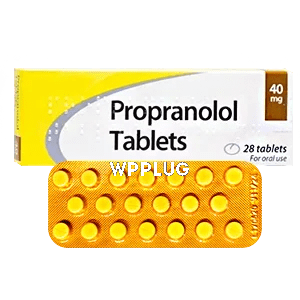
Inderal: Expert Beta-Blocker Therapy for Cardiovascular Control
Inderal (propranolol hydrochloride) is a non-selective beta-adrenergic blocking agent with established clinical efficacy in managing hypertension, angina pectoris, cardiac arrhythmias, and essential tremor. As a foundational therapeutic agent in cardiovascular medicine, it operates by competitively blocking beta-adrenergic receptors, thereby reducing sympathetic nervous system activity. Its extensive evidence base and predictable pharmacokinetic profile make it a cornerstone in treatment protocols where heart rate control and vascular modulation are clinically indicated. This product card provides comprehensive information for healthcare professionals considering its prescription.
Features
- Active ingredient: Propranolol hydrochloride
- Available formulations: Immediate-release tablets (10 mg, 20 mg, 40 mg, 80 mg), extended-release capsules (60 mg, 80 mg, 120 mg, 160 mg)
- Pharmacologic class: Non-selective beta-blocker
- Half-life: Approximately 3–6 hours (immediate-release); 8–11 hours (extended-release)
- Bioavailability: ~25% due to significant first-pass metabolism
- Protein binding: 90–95%
- Primary metabolites: 4-hydroxypropranolol, naphthoxylactic acid
- Excretion: Primarily renal (96–99% as metabolites)
Benefits
- Provides reliable reduction in systolic and diastolic blood pressure through decreased cardiac output and suppressed renin release
- Decreases myocardial oxygen demand through negative chronotropic and inotropic effects, reducing angina frequency and severity
- Suppresses aberrant cardiac pacemaker activity and slows atrioventricular nodal conduction for effective arrhythmia management
- Controls essential tremor and migraine prophylaxis through central and peripheral beta-adrenergic blockade
- Offers flexible dosing regimens with both immediate and extended-release formulations for tailored therapeutic management
- Demonstrates well-characterized pharmacokinetics with decades of clinical safety and efficacy data
Common use
Inderal is indicated for the management of hypertension, either as monotherapy or in combination with other antihypertensive agents. It is prescribed for prophylactic treatment of angina pectoris, where it reduces attack frequency and improves exercise tolerance. The medication is effective in controlling supraventricular arrhythmias, including atrial fibrillation and flutter, and ventricular tachycardias. Additional approved uses include essential tremor, migraine headache prophylaxis, and off-label applications such as anxiety symptom management and thyrotoxicosis adjunct therapy. It may also be utilized in the management of portal hypertension in cirrhotic patients.
Dosage and direction
Dosage must be individualized based on therapeutic indication and patient response. For hypertension: Initial dose is 40 mg twice daily (immediate-release) or 80 mg once daily (extended-release), increasing gradually to maintenance doses of 120–240 mg daily in divided doses. Maximum dose: 640 mg/day. For angina: Start with 80–320 mg daily in divided doses or extended-release formulation. For arrhythmias: 10–30 mg three or four times daily before meals and at bedtime. For migraine prophylaxis: Initial dose 80 mg daily in divided doses, maintenance 160–240 mg daily. For essential tremor: 40 mg twice daily, maintenance 120–320 mg daily. Always titrate gradually and taper when discontinuing to avoid rebound phenomena.
Precautions
Monitor heart rate and blood pressure regularly, especially during initial titration. Use with caution in patients with compensated heart failure, as beta-blockers may precipitate cardiac decompensation. Carefully assess pulmonary function in patients with asthma or COPD due to risk of bronchospasm. May mask signs of hypoglycemia in diabetic patients, particularly tachycardia. Can exacerbate symptoms of peripheral vascular disease and Raynaud’s phenomenon. May cause fatigue, dizziness, or visual disturbances affecting ability to drive or operate machinery. Regular hepatic and renal function monitoring recommended during long-term therapy. Abrupt discontinuation may cause rebound hypertension, angina exacerbation, or arrhythmias.
Contraindications
Absolute contraindications include cardiogenic shock, sinus bradycardia (heart rate <50 bpm), second- or third-degree heart block without pacemaker, severe hypotension (systolic BP <90 mmHg), uncompensated cardiac failure, and bronchial asthma. Relative contraindications include diabetes mellitus with frequent hypoglycemic episodes, metabolic acidosis, pheochromocytoma (unless used with alpha-blockade), severe peripheral arterial disorders, and myasthenic conditions. Not recommended during pregnancy unless clearly needed, as it may cause fetal bradycardia, hypoglycemia, and intrauterine growth restriction.
Possible side effect
Common adverse reactions (≥1%) include fatigue (10-15%), bradycardia (5-10%), cold extremities (5-8%), nausea (5-7%), diarrhea (5-6%), and sleep disturbances (3-5%). Less frequent effects include bronchospasm (2-3%), depression (2-3%), vivid dreams (2-3%), and sexual dysfunction (1-2%). Rare but serious side effects include heart failure exacerbation, heart block, severe hypotension, hallucinations, and thrombocytopenic purpura. Most side effects are dose-dependent and often diminish with continued therapy or dose reduction.
Drug interaction
Significant interactions occur with calcium channel blockers (verapamil, diltiazem) increasing risk of bradycardia and heart block. Concurrent use with other antihypertensives may cause additive hypotensive effects. NSAIDs may diminish antihypertensive efficacy. Potentiates insulin and oral hypoglycemic effects while masking hypoglycemic symptoms. May reduce clearance of lidocaine and theophylline. CYP2D6 inhibitors (fluoxetine, quinidine) may increase propranolol levels. Cholestyramine and colestipol reduce absorption. Alcohol may enhance hypotensive effects. MAO inhibitors require extreme caution due to hypertension risk.
Missed dose
If a dose is missed, take it as soon as remembered unless it is nearly time for the next scheduled dose. Do not double the dose to make up for a missed one. For twice-daily regimens, if remembered within 4 hours of next dose, skip the missed dose. For once-daily formulations, take if remembered within 12 hours of next dose. Maintain regular dosing schedule thereafter. Patients should not adjust dosage without medical consultation, as irregular dosing may compromise therapeutic efficacy and safety.
Overdose
Symptoms include severe bradycardia, hypotension, heart failure, bronchospasm, hypoglycemia, and seizures. Cardiovascular manifestations may progress to cardiogenic shock and cardiac arrest. Management includes gastric lavage if recent ingestion, activated charcoal, and supportive care. Specific treatments include atropine for bradycardia, glucagon (50-150 mcg/kg IV) to reverse myocardial effects, beta-agonists (isoproterenol, dobutamine) for refractory cases, and vasopressors for hypotension. Hemodialysis is not effective due to high protein binding. Continuous cardiac monitoring and intensive care support are essential.
Storage
Store at controlled room temperature (20-25°C or 68-77°F) in original container. Protect from light, moisture, and excessive heat. Keep tightly closed and out of reach of children. Do not transfer to other containers as moisture protection may be compromised. Extended-release capsules should not be crushed, chewed, or divided. Discard any medication that shows signs of deterioration or has passed the expiration date. Do not flush medications; dispose through proper medication take-back programs.
Disclaimer
This information is intended for healthcare professionals and should not replace professional medical advice, diagnosis, or treatment. Always consult appropriate prescribing information and clinical guidelines before initiating therapy. Dosage and administration must be determined by a qualified healthcare provider based on individual patient characteristics and therapeutic needs. The prescriber should be familiar with the complete product labeling and contraindications. Patients should be fully informed about potential benefits and risks before treatment initiation.
Reviews
Clinical studies demonstrate Inderal’s efficacy with 60-70% of hypertensive patients achieving blood pressure control at appropriate doses. Angina studies show 40-60% reduction in attack frequency and improved exercise tolerance. In migraine prophylaxis, 50-70% of patients experience ≥50% reduction in frequency. Essential tremor studies indicate significant improvement in 60-80% of cases. Long-term safety data from decades of use support its favorable risk-benefit profile when appropriately prescribed and monitored. Most reviews note its reliability and predictable response, though individual tolerance varies.