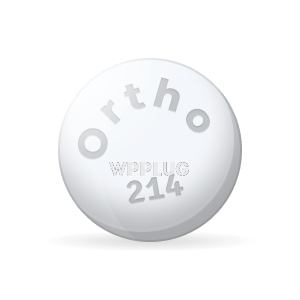
| Product dosage: 250mg | |||
|---|---|---|---|
| Package (num) | Per pill | Price | Buy |
| 30 | $1.23 | $36.98 (0%) | 🛒 Add to cart |
| 60 | $0.95 | $73.96 $56.76 (23%) | 🛒 Add to cart |
| 90 | $0.85 | $110.94 $76.54 (31%) | 🛒 Add to cart |
| 120 | $0.80 | $147.92 $96.32 (35%) | 🛒 Add to cart |
| 180 | $0.75 | $221.88 $135.02 (39%) | 🛒 Add to cart |
| 270 | $0.72 | $332.82 $193.50 (42%) | 🛒 Add to cart |
| 360 | $0.70
Best per pill | $443.76 $251.12 (43%) | 🛒 Add to cart |
Synonyms
| |||
Grifulvin V: Effective Oral Antifungal for Dermatophyte Infections
Grifulvin V (griseofulvin microsize) is an oral antifungal medication specifically formulated to treat dermatophyte infections of the skin, hair, and nails. As a microsized crystalline preparation, it offers enhanced bioavailability and consistent systemic delivery, making it a cornerstone in antifungal therapy for stubborn superficial fungal infections. This antifungal works by depositing in keratin precursor cells, making newly formed keratin resistant to fungal invasion, thereby stopping infection progression and allowing healthy tissue regeneration. Clinicians have relied on Grifulvin V for decades due to its targeted mechanism and well-established efficacy profile against common dermatophytes including Trichophyton, Microsporum, and Epidermophyton species.
Features
- Contains griseofulvin microsize 250 mg or 500 mg per tablet
- Microsized crystalline formulation for improved gastrointestinal absorption
- Fungistatic activity against dermatophyte fungi
- Keratin-binding capability for persistent antifungal action
- FDA-approved for dermatophytoses requiring systemic therapy
- Available in scored tablets for accurate dosage adjustment
Benefits
- Effectively eradicates dermatophyte infections that are unresponsive to topical therapy
- Prevents further spread of infection to healthy skin, hair, or nails
- Provides systemic coverage for infections in difficult-to-treat areas like scalp and nail beds
- Reduces risk of recurrence by treating infection at the keratin level
- Allows regrowth of healthy tissue after fungal clearance
- Established safety profile with decades of clinical use
Common use
Grifulvin V is primarily indicated for the treatment of ringworm infections (tinea corporis), athlete’s foot (tinea pedis), jock itch (tinea cruris), barber’s itch (tinea barbae), scalp ringworm (tinea capitis), and nail infections (tinea unguium) caused by susceptible dermatophyte fungi. It is particularly valuable when the infection is widespread, deep-seated, or has failed to respond to topical antifungal agents. The medication is also used prophylactically in children with chronic dermatophytoses or in immunocompromised patients at risk of disseminated fungal infections.
Dosage and direction
Dosage must be individualized based on infection type, severity, and patient factors. For adults, the typical dosage ranges from 500 mg to 1 g daily, either as a single dose or in divided doses. For children, dosage is calculated at 10 mg/kg/day, not to exceed 1 g daily. Treatment duration varies significantly by infection type: tinea corporis typically requires 2-4 weeks, tinea pedis 4-8 weeks, tinea capitis 4-6 weeks, and tinea unguium may require several months of therapy until the infected tissue is completely replaced. Administration with a high-fat meal significantly enhances absorption. Therapy should continue until clinical and laboratory evidence indicates the infection has cleared, with a typical additional 2-week treatment period recommended after clinical resolution.
Precautions
Periodic monitoring of hepatic, renal, and hematopoietic function is recommended during prolonged therapy. Patients should be advised that Grifulvin V may decrease the efficacy of oral contraceptives and warrant additional contraceptive measures. Photosensitivity reactions may occur, necessitating sun protection measures during treatment. Alcohol consumption should be avoided as it may precipitate tachycardia and flushing reactions. Patients should be monitored for signs of lupus erythematosus or lupus-like syndromes. Those with porphyria or hepatocellular failure require careful risk-benefit assessment before initiation.
Contraindications
Grifulvin V is contraindicated in patients with known hypersensitivity to griseofulvin or any component of the formulation. It should not be used in patients with porphyria or hepatocellular failure. The medication is contraindicated in pregnancy due to potential teratogenic effects and should be avoided in women who may become pregnant during therapy. Concomitant use with barbiturates is contraindicated due to decreased griseofulvin absorption. The medication is not recommended for patients with known penicillin allergy due to possible cross-sensitivity.
Possible side effect
Common adverse effects include headache (often dose-related), gastrointestinal disturbances (nausea, vomiting, diarrhea), and hypersensitivity reactions (skin rashes, urticaria). Less frequently, patients may experience photosensitivity reactions, oral thrush, fatigue, dizziness, or insomnia. Rare but serious adverse effects include proteinuria, leukopenia, granulocytopenia, hepatitis, and peripheral neuropathy. Psychiatric disturbances including confusion and impaired coordination have been reported. Angioedema and serum sickness-like reactions may occur in sensitive individuals.
Drug interaction
Griseofulvin induces hepatic microsomal enzymes, potentially decreasing the efficacy of warfarin-type anticoagulants, necessitating dosage adjustment. Concurrent use with barbiturates decreases griseofulvin absorption, reducing antifungal efficacy. The medication may reduce the effectiveness of oral contraceptives, cyclosporine, and salicylates. Alcohol consumption may cause disulfiram-like reactions. Griseofulvin may potentiate the effects of alcohol and other CNS depressants.
Missed dose
If a dose is missed, it should be taken as soon as remembered unless it is nearly time for the next scheduled dose. In that case, the missed dose should be skipped, and the regular dosing schedule resumed. Patients should not double the dose to make up for a missed one. Consistent dosing is important for maintaining therapeutic levels, so patients should be advised to establish a routine for medication administration.
Overdose
Symptoms of overdose may include nausea, vomiting, diarrhea, epigastric distress, and headache. In severe cases, central nervous system depression, confusion, and blurred vision may occur. There is no specific antidote for griseofulvin overdose. Treatment should be supportive and symptomatic, including gastric lavage if ingestion was recent and activated charcoal administration. Adequate hydration should be maintained, and hepatic and renal function monitored closely.
Storage
Store at controlled room temperature between 20°C to 25°C (68°F to 77°F), with excursions permitted between 15°C to 30°C (59°F to 86°F). Keep container tightly closed and protect from moisture and light. Keep out of reach of children and pets. Do not use after the expiration date printed on the packaging. Do not transfer tablets to other containers, as the original packaging provides optimal protection from environmental factors.
Disclaimer
This information is provided for educational purposes only and does not constitute medical advice. Treatment decisions should be made by a qualified healthcare professional based on individual patient circumstances. Always follow the prescribing information provided with the medication and consult with a healthcare provider regarding any questions about therapy. The prescriber should be informed of all medications being taken, including over-the-counter products and herbal supplements.
Reviews
Clinical studies demonstrate Grifulvin V achieves mycological cure rates of 70-90% in tinea capitis and 60-80% in dermatophyte onychomycosis when used as directed for appropriate durations. Dermatologists consistently report satisfactory response rates in patients with extensive or recalcitrant dermatophytoses. Patient satisfaction surveys indicate high completion rates due to the predictable dosing schedule and generally good tolerability profile. Long-term follow-up studies show low recurrence rates when treatment is completed appropriately and preventive measures are implemented.