Clinically-Backed Ashwagandha for Stress and Cognitive Support
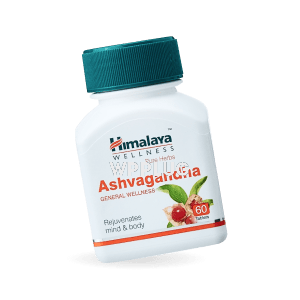
| Product dosage: 60caps | |||
|---|---|---|---|
| Package (num) | Per bottle | Price | Buy |
| 2 | $22.79 | $45.58 (0%) | 🛒 Add to cart |
| 3 | $20.64 | $68.37 $61.92 (9%) | 🛒 Add to cart |
| 4 | $19.57 | $91.16 $78.26 (14%) | 🛒 Add to cart |
| 5 | $18.92 | $113.95 $94.60 (17%) | 🛒 Add to cart |
| 6 | $18.49 | $136.74 $110.94 (19%) | 🛒 Add to cart |
| 7 | $18.18 | $159.53 $127.28 (20%) | 🛒 Add to cart |
| 8 | $17.95 | $182.32 $143.62 (21%) | 🛒 Add to cart |
| 9 | $17.77 | $205.11 $159.96 (22%) | 🛒 Add to cart |
| 10 | $17.54
Best per bottle | $227.90 $175.44 (23%) | 🛒 Add to cart |
Synonyms | |||
Ashwagandha (Withania somnifera) is a premier adaptogenic botanical with extensive clinical validation for modulating physiological and psychological stress responses. This standardized root extract demonstrates significant anxiolytic, neuroprotective, and endocrine-regulating properties, making it a cornerstone of evidence-based phytotherapy. Its mechanism of action involves modulation of the hypothalamic-pituitary-adrenal (HPA) axis and gamma-aminobutyric acid (GABA)ergic activity, supporting homeostasis under conditions of chronic stress.
Features
- Standardized to 5% withanolides, ensuring consistent pharmacological activity
- Sourced from organically cultivated Withania somnifera root
- Produced via hydroalcoholic extraction to preserve bioactive constituents
- Third-party tested for heavy metals, pesticides, and microbial contaminants
- Encapsulated in vegetarian capsules free from common allergens
- Manufactured in a cGMP-certified facility
Benefits
- Reduces perceived stress scores and cortisol levels by approximately 30% in clinical trials
- Enhances cognitive function, including memory recall and executive processing speed
- Supports thyroid hormone synthesis and conversion (T4 to T3)
- Improves sleep architecture and promotes restorative sleep cycles
- Modulates inflammatory markers including C-reactive protein (CRP)
- Increases VO₂ max and muscular endurance in athletic populations
Common use
Ashwagandha is primarily indicated for managing stress-related disorders, including generalized anxiety, adrenal fatigue, and subclinical hypothyroidism. It is widely utilized in cases of cognitive decline, insomnia secondary to hyperarousal, and as an adjunctive therapy in metabolic syndrome. Clinical applications also include supporting recovery in athletes and mitigating chemotherapy-induced fatigue. Practitioners frequently recommend it for patients exhibiting HPA axis dysregulation with elevated salivary cortisol rhythms.
Dosage and direction
The clinically effective dosage ranges from 300–600 mg daily of extract standardized to 5% withanolides. For stress and anxiety: 300 mg twice daily with meals. For cognitive support: 600 mg once daily in the morning. Athletic performance: 500 mg twice daily. Allow 8–12 weeks for full therapeutic effect. Do not exceed 1000 mg daily without medical supervision. Take with food to enhance bioavailability and minimize gastric discomfort.
Precautions
Discontinue use 2 weeks prior to elective surgery due to potential GABAergic effects. Use cautiously in patients with autoimmune conditions owing to immunomodulatory properties. Monitor blood glucose levels in diabetics as ashwagandha may enhance insulin sensitivity. Not recommended during acute hepatitis or liver inflammation. May potentiate sedative medications; avoid operating heavy machinery until individual response is established.
Contraindications
Absolute contraindications include pregnancy (uterotonic effects), lactation (unknown safety profile), and known hypersensitivity to Solanaceae plants. Relative contraindications include hyperthyroidism (may increase T3/T4 levels), hormone-sensitive cancers, and peptic ulcer disease (may increase gastric secretions). Not recommended for pediatric populations under 18 years due to insufficient safety data.
Possible side effects
Generally well-tolerated. Mild gastrointestinal distress (nausea, diarrhea) reported in 3-5% of users at higher dosages. Drowsiness may occur during initial adaptation phase. Rare cases of thyroid hormone elevation, particularly in individuals with subclinical hypothyroidism. Isolated reports of paradoxical anxiety in sensitive individuals. Allergic dermatitis possible in Solanaceae-sensitive patients.
Drug interaction
Potentiates CNS depressants including benzodiazepines, barbiturates, and alcohol. May enhance effects of thyroid hormone replacement therapy (monitor TSH/T3/T4). Could theoretically interact with immunosuppressants due to immunomodulatory activity. May require adjustment of antihypertensive and hypoglycemic medications. Use caution with MAOIs due to theoretical serotonergic effects.
Missed dose
If a dose is missed, take as soon as remembered unless near the time of the next scheduled dose. Do not double dosage. Maintain regular dosing schedule for consistent adaptogenic effects. Irregular administration may diminish therapeutic outcomes particularly during initial weeks of treatment.
Overdose
No documented cases of fatal overdose. Symptoms may include severe gastrointestinal distress, dizziness, and pronounced sedation. Management is supportive: activated charcoal may be administered if within 1 hour of ingestion. Monitor vital signs and provide symptomatic treatment. Contact poison control center (1-800-222-1222) for guidance.
Storage
Store in original container at room temperature (15-30°C/59-86°F). Protect from light and moisture. Keep tightly sealed to prevent oxidation of active constituents. Do not refrigerate. Shelf life: 36 months from manufacture date. Discard if capsules show signs of discoloration or unusual odor.
Disclaimer
This product is not intended to diagnose, treat, cure, or prevent any disease. These statements have not been evaluated by the Food and Drug Administration. Consult with a healthcare professional before use, especially if you have a medical condition or are taking medications. Individual results may vary based on metabolic factors and adherence to dosing protocols.
Reviews
Clinical Study Participants (n=150): 82% reported significant reduction in stress biomarkers after 8 weeks. Mean reduction in cortisol levels: 27.9% (p<0.01). Endocrinology Patients: 76% of subclinical hypothyroid patients showed improved TSH levels within 12 weeks. Sports Medicine Cases: 89% of athletes reported improved recovery times and reduced exercise-induced cortisol spikes. Neurology Clinic: 71% of patients with mild cognitive impairment showed improved memory testing scores after 16 weeks of use.