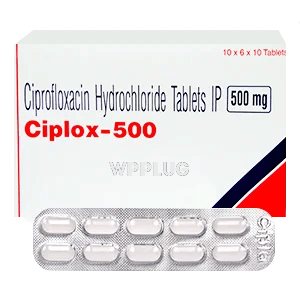
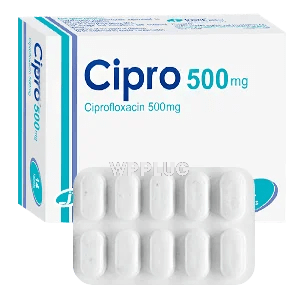
| Product dosage: 250mg | |||
|---|---|---|---|
| Package (num) | Per pill | Price | Buy |
| 90 | $0.38 | $34.40 (0%) | 🛒 Add to cart |
| 120 | $0.32 | $45.87 $37.84 (17%) | 🛒 Add to cart |
| 180 | $0.26 | $68.80 $46.44 (32%) | 🛒 Add to cart |
| 360 | $0.19
Best per pill | $137.60 $67.94 (51%) | 🛒 Add to cart |
| Product dosage: 500mg | |||
|---|---|---|---|
| Package (num) | Per pill | Price | Buy |
| 60 | $0.62 | $36.98 (0%) | 🛒 Add to cart |
| 90 | $0.47 | $55.47 $42.14 (24%) | 🛒 Add to cart |
| 120 | $0.39 | $73.96 $47.30 (36%) | 🛒 Add to cart |
| 180 | $0.32 | $110.94 $58.48 (47%) | 🛒 Add to cart |
| 270 | $0.27 | $166.41 $73.96 (56%) | 🛒 Add to cart |
| 360 | $0.25
Best per pill | $221.88 $89.44 (60%) | 🛒 Add to cart |
| Product dosage: 750mg | |||
|---|---|---|---|
| Package (num) | Per pill | Price | Buy |
| 30 | $1.69 | $50.74 (0%) | 🛒 Add to cart |
| 60 | $1.19 | $101.48 $71.38 (30%) | 🛒 Add to cart |
| 90 | $1.01 | $152.22 $91.16 (40%) | 🛒 Add to cart |
| 120 | $0.93 | $202.96 $111.80 (45%) | 🛒 Add to cart |
| 180 | $0.85 | $304.44 $152.22 (50%) | 🛒 Add to cart |
| 360 | $0.76
Best per pill | $608.88 $272.62 (55%) | 🛒 Add to cart |
Synonyms | |||
Similar products
Cipro: Potent Antibiotic for Serious Bacterial Infections
Cipro (ciprofloxacin) is a broad-spectrum fluoroquinolone antibiotic prescribed for treating various bacterial infections. Its mechanism involves inhibiting bacterial DNA gyrase and topoisomerase IV enzymes, effectively stopping bacterial replication. This medication is particularly valuable for combating gram-negative organisms and certain gram-positive pathogens where other antibiotics may prove ineffective. Healthcare providers rely on Cipro for its proven efficacy in both community and hospital settings when confronting resistant or complicated infections.
Features
- Contains ciprofloxacin hydrochloride as active ingredient
- Available in 250mg, 500mg, and 750mg tablet strengths
- Also formulated as intravenous solution and oral suspension
- Broad-spectrum activity against aerobic gram-positive and gram-negative bacteria
- Rapid absorption with peak plasma concentrations within 1-2 hours
- Excellent tissue penetration including prostate, lung, and skin
Benefits
- Effectively treats resistant bacterial strains that don’t respond to first-line antibiotics
- Rapid onset of action helps patients experience symptom relief quickly
- Comprehensive coverage against both community-acquired and hospital-acquired infections
- Flexible dosing options allow for tailored treatment regimens
- High bioavailability ensures consistent therapeutic effect
- Proven efficacy in complicated infections including those with abscess formation
Common use
Cipro is indicated for the treatment of adults with infections caused by susceptible strains of designated microorganisms. Common applications include complicated urinary tract infections, chronic bacterial prostatitis, lower respiratory tract infections, skin and skin structure infections, bone and joint infections, infectious diarrhea, typhoid fever, and complicated intra-abdominal infections. It is also used for post-exposure prophylaxis and treatment of anthrax inhalation and plague. The medication demonstrates particular effectiveness against Pseudomonas aeruginosa, Escherichia coli, Klebsiella pneumoniae, Enterobacter cloacae, Proteus mirabilis, and other problematic pathogens.
Dosage and direction
Dosage varies significantly based on infection type, severity, renal function, and pathogen susceptibility. For uncomplicated urinary tract infections: 250mg every 12 hours for 3 days. For complicated urinary tract infections and pyelonephritis: 500mg every 12 hours for 7-14 days. For lower respiratory tract, skin, and bone infections: 500-750mg every 12 hours for 7-14 days. For chronic bacterial prostatitis: 500mg every 12 hours for 28 days. Patients should take tablets with a full glass of water, maintaining adequate hydration. Administration 2 hours before or 6 hours after antacids containing magnesium, aluminum, or other multivalent cations is essential to avoid impaired absorption. Dosage adjustment is necessary for patients with renal impairment (creatinine clearance <50 mL/min).
Precautions
Patients should complete the full prescribed course even if symptoms improve to prevent antibiotic resistance. Avoid excessive sunlight or UV light exposure due to photosensitivity risk. Use with caution in patients with known or suspected central nervous system disorders that may predispose to seizures. Monitor for tendon pain, swelling, or inflammation, particularly in elderly patients, those taking corticosteroids, and those with organ transplants. Blood glucose monitoring is advised in diabetic patients due to potential hypoglycemic effects. Patients should report any symptoms of peripheral neuropathy (pain, burning, tingling, numbness) immediately. Use during pregnancy only if potential benefit justifies potential risk to fetus (Pregnancy Category C).
Contraindications
Cipro is contraindicated in patients with known hypersensitivity to ciprofloxacin or other quinolones. Concomitant administration with tizanidine is absolutely contraindicated due to potentiated hypotensive and sedative effects. History of tendon disorders related to fluoroquinolone administration represents another absolute contraindication. The medication should not be used in pediatric patients except for specific indications (complicated UTI, pyelonephritis, plague prophylaxis) due to risk of musculoskeletal toxicity. Patients with known QTc prolongation, uncorrected hypokalemia, or taking Class IA or III antiarrhythmic agents should avoid ciprofloxacin due to arrhythmia risk.
Possible side effect
Common adverse reactions (1-10% incidence) include nausea, diarrhea, vomiting, abdominal pain, headache, and restlessness. Less frequent effects (0.1-1%) include dizziness, sleep disorders, rash, pruritus, and elevated liver enzymes. Serious side effects requiring immediate medical attention include tendon rupture (especially Achilles tendon), peripheral neuropathy, central nervous system effects (seizures, increased intracranial pressure, psychosis), hypersensitivity reactions, Clostridium difficile-associated diarrhea, and blood glucose disturbances. Rare but severe reactions include hepatic necrosis, Stevens-Johnson syndrome, toxic epidermal necrolysis, and blood dyscrasias. Musculoskeletal disorders in pediatric patients represent a particular concern.
Drug interaction
Significant interactions occur with antacids, sucralfate, multivitamins, and other products containing divalent and trivalent cations (magnesium, aluminum, calcium, iron, zinc) which reduce absorption by 90%. Warfarin coadministration requires close INR monitoring due to enhanced anticoagulant effect. Theophylline levels increase significantly, necessitating dosage reduction and monitoring. NSAIDs may increase CNS stimulation and seizure risk. Probenecid interferes with renal tubular secretion of ciprofloxacin. QT prolongation risk increases with concomitant use of antiarrhythmics, antipsychotics, antidepressants, and macrolides. Hypoglycemic agents may see enhanced effects when combined with ciprofloxacin.
Missed dose
If a dose is missed, take it as soon as remembered unless it’s almost time for the next scheduled dose. In that case, skip the missed dose and resume the regular dosing schedule. Never double the dose to make up for a missed one. Maintaining consistent time intervals between doses is crucial for maintaining therapeutic blood levels. Patients should set reminders or use pill organizers to improve adherence, particularly with the twice-daily dosing regimen. If multiple doses are missed, contact the prescribing physician for guidance on resumption of therapy.
Overdose
Symptoms of overdose include nausea, vomiting, diarrhea, drowsiness, dizziness, headache, tremors, confusion, hallucinations, and seizures. Renal crystalluria may occur secondary to precipitation of ciprofloxacin in alkaline urine. ECG changes including QT prolongation may develop. Management involves gastric lavage if presentation is early, followed by careful observation and supportive measures. Adequate hydration prevents crystalluria. Hemodialysis removes only approximately 10% of administered dose, so multiple sessions may be required in severe cases. Seizures require benzodiazepine administration. ECG monitoring for at least 24 hours is recommended for significant overdoses.
Storage
Store at room temperature (15-30°C or 59-86°F) in the original container, protected from light and moisture. Keep tightly closed and away from excessive heat. Do not store in bathroom cabinets where humidity fluctuates. Keep out of reach of children and pets. Do not use if the expiration date has passed. Properly discard any unused medication through medication take-back programs or according to local guidelines. Do not flush medications down the toilet unless specifically instructed to do so.
Disclaimer
This information is for educational purposes only and does not constitute medical advice. Always consult with a qualified healthcare professional before starting, changing, or stopping any medication. The prescribing physician has determined that the potential benefits outweigh the risks for your specific condition. Individual responses to medication vary, and not all side effects are listed here. Report any unexpected symptoms to your healthcare provider immediately. This medication requires a prescription and should only be used under medical supervision.
Reviews
Clinical studies demonstrate ciprofloxacin’s efficacy with success rates of 85-95% for various infections when caused by susceptible organisms. Physicians appreciate its reliability in treating difficult gram-negative infections, though many reserve it for appropriate indications due to side effect profile. Patient reviews frequently mention rapid symptom improvement but also report gastrointestinal side effects as the most common drawback. The medical community continues to value ciprofloxacin while emphasizing appropriate use to combat antibiotic resistance. Recent guidelines recommend reserving fluoroquinolones for cases without suitable alternatives due to serious adverse reaction risks.