Acticin: Effective Topical Treatment for Scabies Infestations
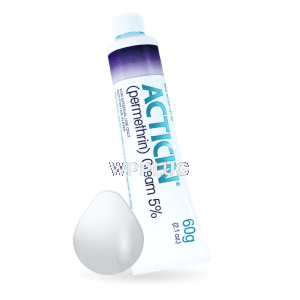
Acticin (permethrin) is a prescription topical medication specifically formulated to eradicate scabies mites and their eggs. As a synthetic pyrethroid, it offers potent parasiticidal activity with a well-established safety profile when used as directed. This cream is applied directly to the skin, providing targeted treatment that disrupts the nervous system of the Sarcoptes scabiei mite, leading to rapid elimination of the infestation. Clinical studies demonstrate high cure rates, making it a first-line therapeutic option recommended by dermatologists worldwide. Proper application and adherence to treatment protocols are essential for achieving complete resolution and preventing recurrence.
Features
- Contains 5% permethrin as the active pharmaceutical ingredient
- Formulated in a hypoallergenic, fragrance-free cream base
- Provides ovicidal (egg-destroying) and miticidal (mite-killing) activity
- Single-application treatment regimen for most cases
- Minimal systemic absorption when applied topically
- Stable at room temperature with two-year shelf life
Benefits
- Rapidly eliminates scabies mites within 24 hours of application
- Breaks the transmission cycle to prevent spread to household members
- Provides relief from intense itching associated with scabies infestation
- Minimizes risk of secondary bacterial infections from scratching
- Convenient single-application protocol enhances treatment adherence
- Clinically proven efficacy with over 90% cure rates in controlled studies
Common use
Acticin is primarily indicated for the treatment of scabies infestations caused by the mite Sarcoptes scabiei var. hominis. It may also be used off-label for the treatment of pediculosis (lice infestations) in certain patient populations. The medication works through direct contact with parasites, making thorough application to all skin surfaces essential. Treatment is typically recommended for all household members and close contacts simultaneously to prevent reinfestation, even if symptoms are not yet present. The cream is suitable for adults and children aged two months and older, though special precautions apply for certain patient groups.
Dosage and direction
Apply a sufficient quantity of Acticin cream to cover the entire body from the chin down, paying particular attention to folds and creases in the skin, between fingers and toes, under nails, and the umbilical area. For facial involvement in infants and elderly patients, carefully apply to the forehead and temples while avoiding eye contact. Leave the cream on for 8-14 hours before washing thoroughly with soap and water. Most cases require only one application, though a second treatment after 7-14 days may be necessary if live mites reappear. Trim fingernails before application and ensure thorough application to hands and wrists. Use exactly as prescribed by your healthcare provider; do not exceed recommended duration or frequency of application.
Precautions
Perform patch testing in patients with known sensitivity to pyrethroids or chrysanthemums. Avoid contact with eyes, mucous membranes, and urethral meatus. If accidental eye contact occurs, flush immediately with copious amounts of water. Do not apply to acutely inflamed or broken skin unless directed by a physician. Use with caution in patients with pre-existing seizure disorders, though systemic absorption is minimal. Breastfeeding mothers should remove medication from nipples before nursing and reapply after feeding. Wear gloves when applying to another person to prevent accidental exposure. The medication may temporarily exacerbate itching due to allergic reaction to dying mites.
Contraindications
Hypersensitivity to permethrin, other synthetic pyrethroids, or any component of the formulation. History of severe allergic reaction to chrysanthemums or ragweed. Not recommended for neonates under two months of age due to immature skin barrier function and potential for increased systemic absorption. Avoid use in patients with widespread eczematous or ulcerated skin conditions unless benefits outweigh risks. Contraindicated in patients with known neurological disorders that may be exacerbated by pyrethroid exposure, though this concern is primarily theoretical with topical administration.
Possible side effects
Most side effects are mild and transient, including:
- Temporary burning, stinging, or tingling at application site (15-20% of patients)
- Pruritus (itching) that may initially worsen before improving (10-15%)
- Erythema (redness) or mild edema (swelling) of treated skin (5-8%)
- Rash or skin irritation (2-4%)
- Numbness or tingling sensations (1-2%)
- Headache or dizziness (less than 1%)
- Rare cases of allergic contact dermatitis requiring discontinuation
Drug interaction
No clinically significant drug interactions have been documented with topical permethrin application due to minimal systemic absorption. However, theoretical interactions exist with other neurotoxic agents that might potentiate pyrethroid effects. Exercise caution when using concurrently with: other topical scabicides or pediculicides, particularly those containing lindane; medications that lower seizure threshold; and drugs that affect neurological function. No interactions with oral contraceptives, anticoagulants, or other systemically administered medications have been reported. Always inform your healthcare provider about all medications you are taking, including prescription, over-the-counter, and herbal products.
Missed dose
Acticin is typically administered as a single application rather than a continuous regimen. If you forget to apply the medication at the prescribed time, apply it as soon as possible unless it is nearly time for your next scheduled application. Do not double the dose to make up for a missed application. If you are uncertain about timing, consult your healthcare provider or pharmacist for guidance. For preventive treatment of household contacts, apply within 24 hours of the index case’s treatment to maximize effectiveness.
Overdose
Excessive application or accidental ingestion may lead to pyrethroid toxicity. Topical overdose may cause enhanced local effects including severe skin irritation, burning, or paresthesia. Accidental ingestion may produce neurological symptoms including nausea, vomiting, abdominal pain, headache, dizziness, fatigue, and in severe cases, muscle fasciculations or seizures. There is no specific antidote for permethrin overdose; treatment is supportive and symptomatic. In case of accidental ingestion, seek immediate medical attention and do not induce vomiting unless directed by poison control. For dermal overdose, wash thoroughly with soap and water and monitor for systemic symptoms.
Storage
Store at controlled room temperature (20-25°C or 68-77°F) in the original container. Keep tightly closed and protect from light and moisture. Do not freeze. Keep out of reach of children and pets. Discard any unused medication properly after treatment completion. Do not transfer to other containers, as this may affect stability and lead to dosing errors. The medication remains stable for up to 24 months from manufacturing date when stored properly. Do not use if discolored or if separation occurs.
Disclaimer
This information is provided for educational purposes only and does not constitute medical advice. Always consult with a qualified healthcare professional before starting any new treatment. Individual results may vary, and proper diagnosis by a physician is essential before using Acticin. The manufacturer is not liable for any adverse effects resulting from improper use, misdiagnosis, or failure to follow prescribing information. This product is available by prescription only and should be used strictly according to healthcare provider instructions.
Reviews
Clinical studies demonstrate 85-95% efficacy rates with single application in immunocompetent patients. Dermatologists consistently rate permethrin as first-line therapy due to its favorable safety profile compared to alternative agents. Patients report significant improvement in symptoms within 3-7 days post-treatment, though complete resolution of itching may take 2-4 weeks as the inflammatory response subsides. The convenience of single application is frequently cited as a major advantage over older treatments requiring multiple applications. Some patients note temporary skin irritation, but most consider this acceptable given the therapeutic benefit. Continued itching after treatment does not necessarily indicate treatment failure but may represent persistent hypersensitivity reactions.